Can AI Predict Patient Fall Risk Based on Core Density?
A new study looked at whether AI analysis of routine abdominal CT scans can identify adults—starting as early as midlife—who are at higher risk of falling by assessing abdominal muscle quality.
Analysis at the CHLA pediatric gait lab plays a critical role in determining the most effective treatments for children with walking issues.
Deborah Jehu, PhD, highlights strategies for promoting physical activity while preventing falls in older adults.
An international team of researchers led by Penn Medicine will investigate the link between TBI and dementias over the next five years.
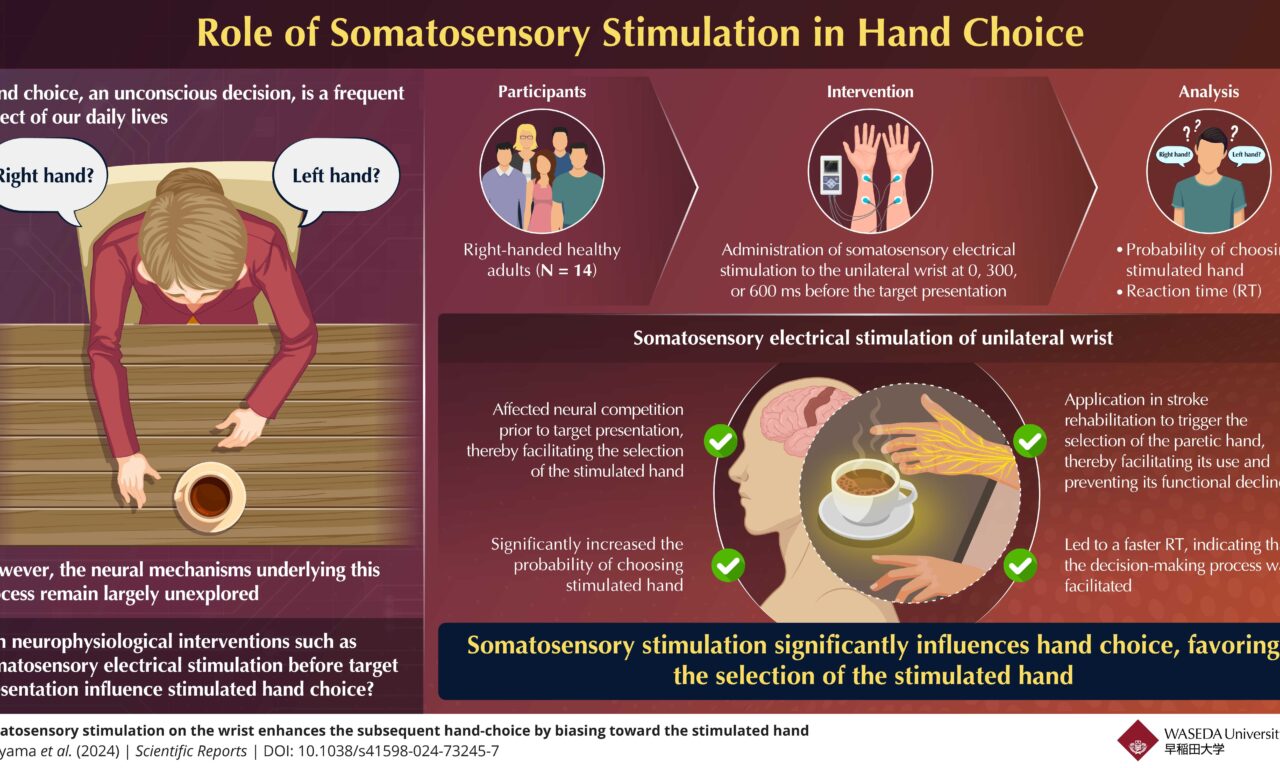
Researchers reveal the impact of somatosensory electrical wrist stimulation on influencing hand-choice decision in stroke rehab.
Helius Medical Technologies Inc. has surpassed initial enrollment targets for its stroke registrational program evaluating PoNS Therapy to improve gait and balance.
A preliminary study suggests that a simple treatment algorithm can help reduce racial and ethnic disparities in multiple sclerosis care by increasing the use of highly effective therapies.
For the study, researchers looked at 546 people ages 18 to 49 who had an unexplained stroke and asked about their habits, including smoking.
Cerevance has initiated the Phase 3 ARISE trial to evaluate solengepras, a non-dopaminergic therapy targeting specific brain circuits, as a potential adjunctive treatment for Parkinson's disease.