Study Identifies Hidden Micro-Clots That May Hinder Stroke Recovery
New research suggests persistent micro-clots are why some stroke patients experience poor recovery even after the primary clot is removed.

New research suggests persistent micro-clots are why some stroke patients experience poor recovery even after the primary clot is removed.
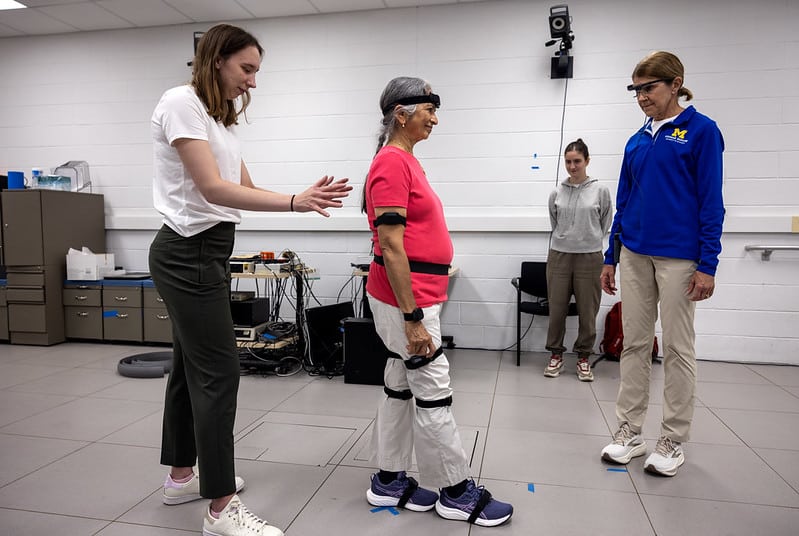
Researchers have developed a machine learning system using four wearable sensors to accurately assess balance exercise difficulty and provide AI-driven feedback to support patients during home-based physical therapy.


Deborah Jehu, PhD, highlights strategies for promoting physical activity while preventing falls in older adults.




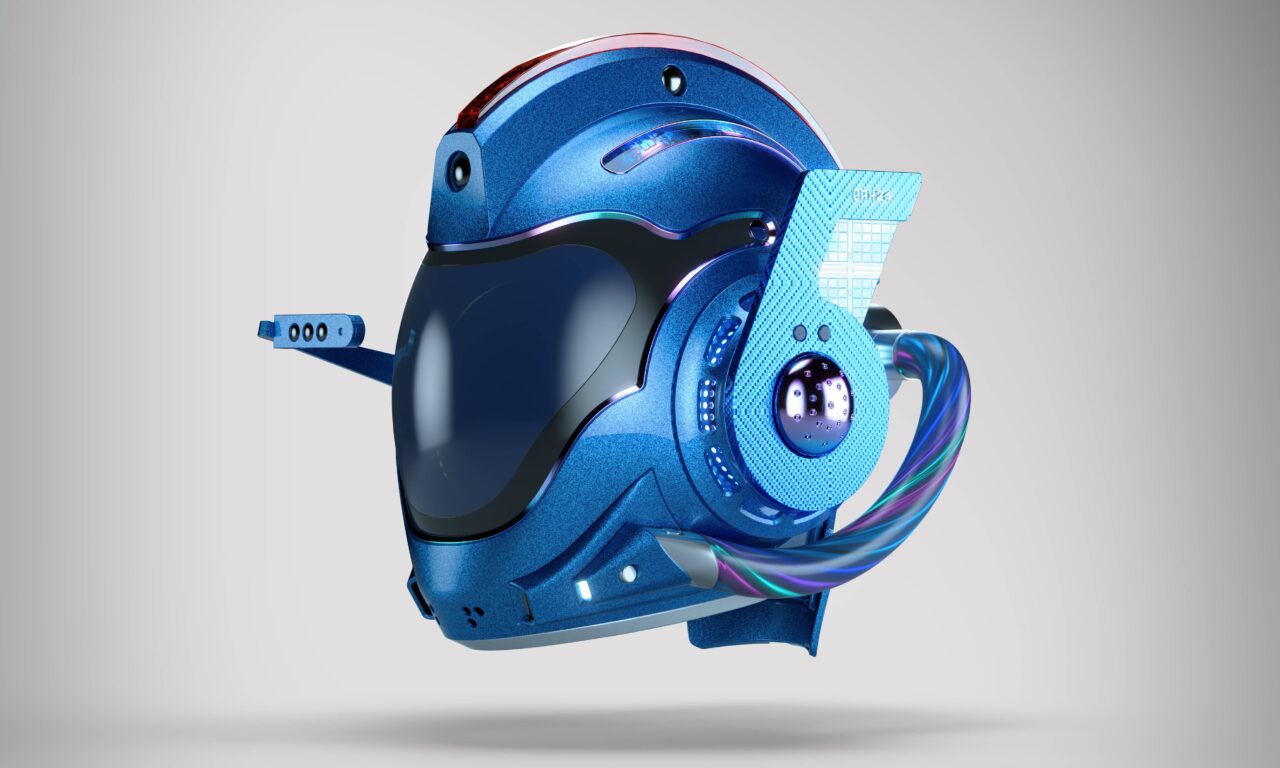
By showcasing the Neuroshield idealized version of head protection, Brooks Rehabilitation aims to educate the public on TBI prevention.
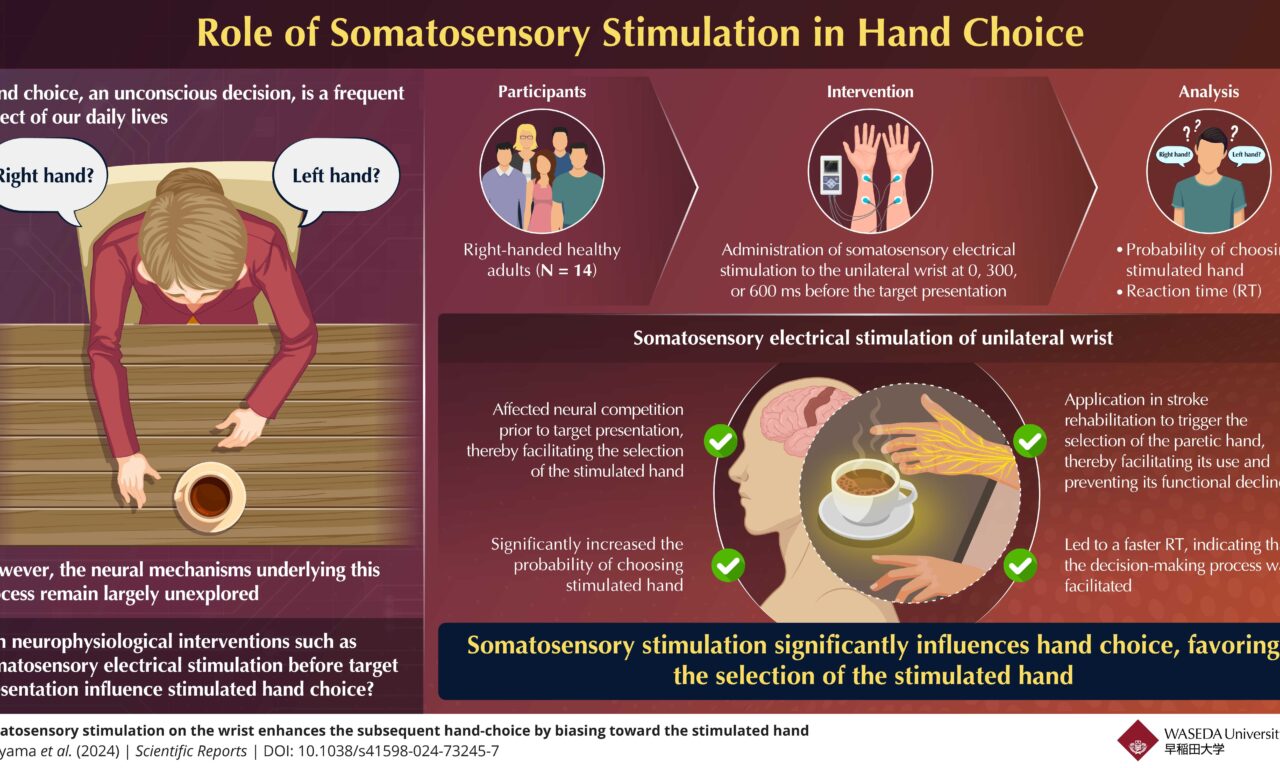
Researchers reveal the impact of somatosensory electrical wrist stimulation on influencing hand-choice decision in stroke rehab.
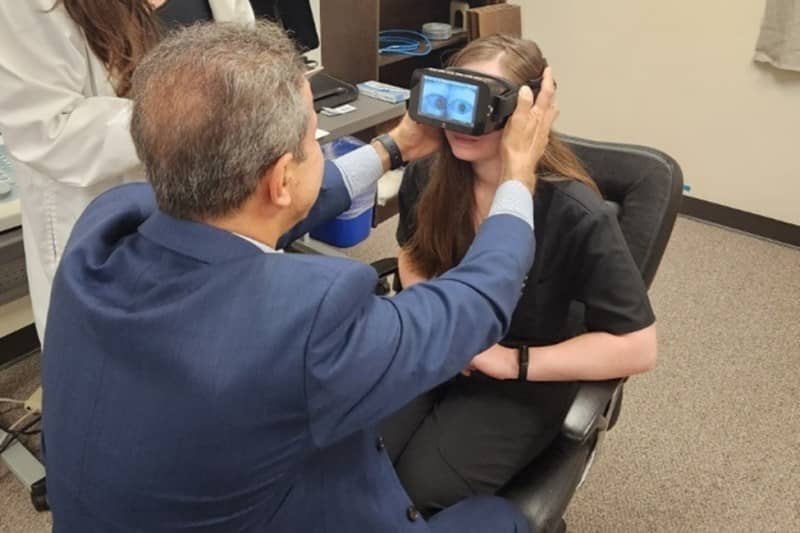
FAU researchers developed a novel AI-powered platform that uses real-time video analysis and deep learning to diagnose vestibular disorders remotely.

Poor sleep health can contribute to mobility decline in individuals with chronic illnesses, particularly among women with certain conditions.
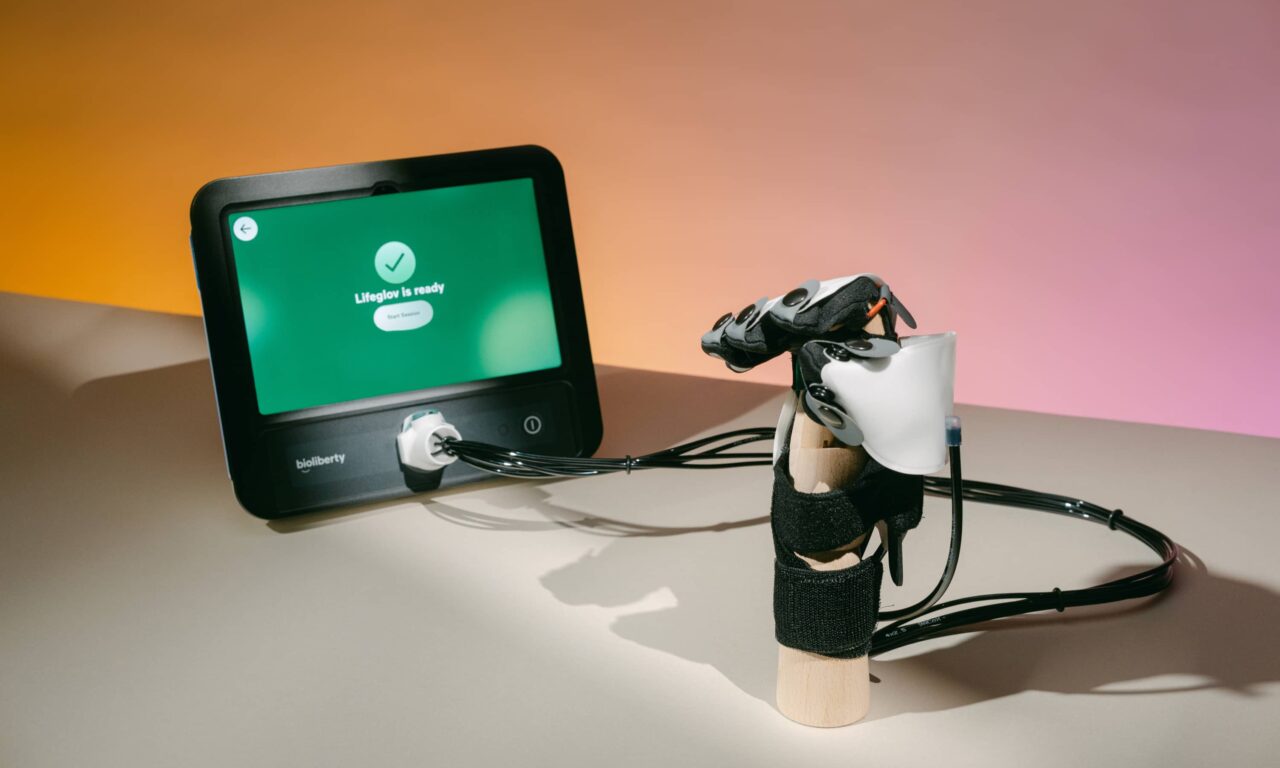
Bioliberty has launched Lifehub Clinic, a gamified, AI-driven physical therapy solution featuring its soft-robotic Lifeglov wearable.

Scientists at UT Southwestern have identified the protein GADD45G as a master regulator of reactive gliosis, a damaging process in neurodegenerative diseases like Parkinson's and Alzheimer’s, offering a potential new therapeutic target.