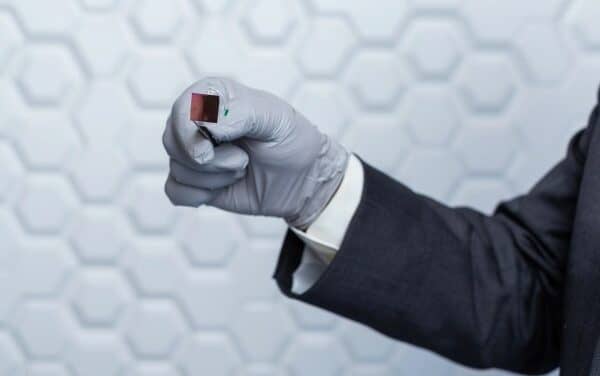
New Non-Powered Brace Targets Hand Tremors While Preserving Voluntary Movement
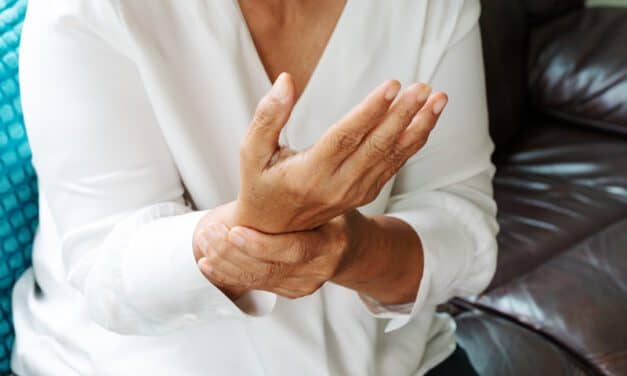
A new lightweight, passive wearable brace significantly reduces involuntary hand tremors without motors, batteries, or invasive procedures.
Researchers have developed a wearable material that may help dramatically reduce the risk of a concussion, suggests a new study.
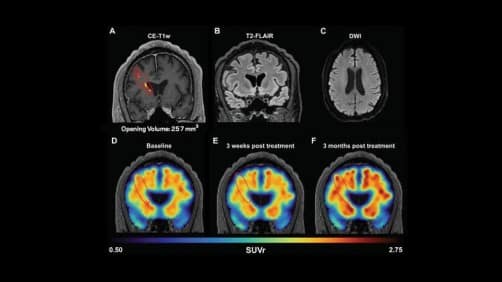
Study findings could have implications for treating muscle wasting sometimes associated with brain inflammation from Alzheimer’s and long COVID.
A new study from Luna suggests that physical therapy patients materially prefer in-person care and would rather it be home-based.
Read MoreUCSF researchers used advanced cardiopulmonary and biomarker testing to assess long COVID patients’ reduced exercise tolerance and symptoms.
Read MoreThe majority of physiotherapists in the Netherlands and Belgium are not yet working with virtual reality (VR), but are considering using this technology in their treatments in the long term.
Read MoreResearchers found that a Mediterranean-based ketogenic diet may decrease the risk factors of Alzheimer’s disease.
Read MoreThe medical study showed how a certain type of immersive audio improves virtual reality for users, improving efficacy for rehab.
Read MoreAn exaggerated anti-inflammatory response is likely responsible for Long COVID Syndrome (LCS), researchers suggest.
Read MoreVitamin D supplementation reduces the risk of dynapenia in older people by 78%, researchers suggest in a new study.
Read MoreRehabilitation to address distorted body perception in stroke survivors may improve outcomes, according to researchers in a new study.
Read MoreExercise can change not just waistlines but the very molecules in the human body that influence how genes behave, a study of twins suggests.
Read MoreA study suggests ways for making cartilage cells with implications in regenerative medicine for cartilage injuries & degeneration treatments.
Read MoreTechnology that can change skin tissue into blood vessels and nerve cells has also shown promise as a treatment for traumatic muscle loss.
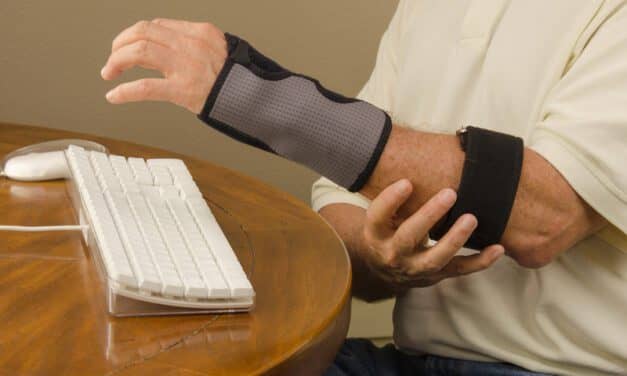
Read MoreAn NIH-funded clinical trial investigating ESStim, a brain stimulation technology to treat carpal tunnel syndrome, has advanced to Phase II.
Read MoreUsing Osteoboost more than three times per week reduced the loss of vertebral bone strength and had no adverse effects, per a pivotal trial.
Read MoreBRAINBox Solutions has enrolled the 1,000th patient in the HeadSMART II study of its concussion diagnostic and prognostic test, BRAINBox TBI.
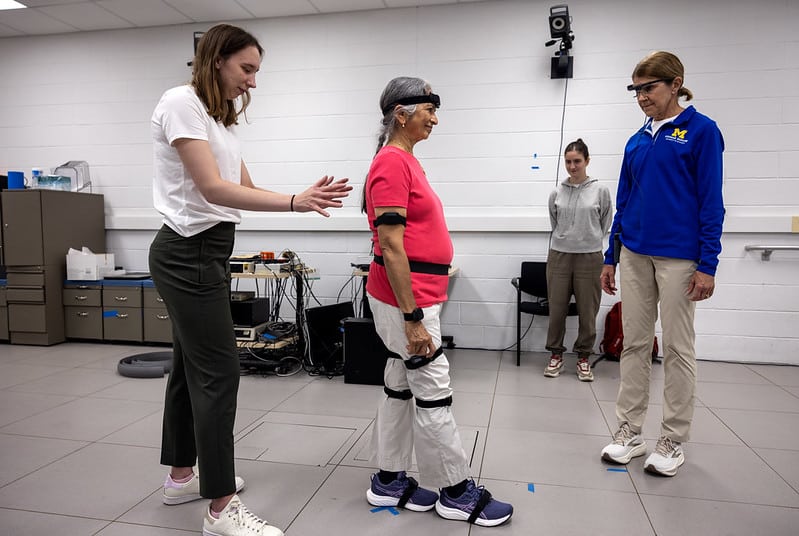
Read MoreA second generation Integrated Motion Analysis Suite is being used as part of an NIH-funded trial investigating ESStim for Parkinson’s.
Read More