Summary:
The U.S. Food and Drug Administration has granted 510(k) clearance for the Encora X1, a noninvasive, wrist-worn neurostimulation device designed to reduce hand tremors and improve daily function in adults with essential tremor.
Key Takeaways:
- Clinical evidence from randomized and home-use studies showed consistent improvements in tremor severity and functional tasks like eating, writing, and drinking.
- The device uses real-time tremor analysis and targeted wrist stimulation to modulate neural pathways and disrupt tremor signals.
- Encora X1 offers a prescription-only, non-surgical and drug-free alternative for patients with limited or poorly tolerated treatment options.
Encora Therapeutics, known for its in non-invasive neuromodulation technology, announced that the U.S. Food and Drug Administration (FDA) has granted 510(k) clearance for the Encora X1.
This clearance is supported by data from two clinical studies: a randomized, sham-controlled trial and a 90-day home-use study. Together, these studies demonstrated consistent improvements in tremor severity and functional tasks, showcasing the device’s ability to aid in daily activities such as eating, drinking, and writing.
The Encora X1 utilizes proprietary algorithms to analyze a patient’s tremor in real time. It delivers targeted stimulation to the wrist, modulating the neural pathways responsible for the tremor. According to the company, the device is lightweight, discreet, and allows for seamless integration into daily life, ensuring that relief is available when it is needed most.
The clearance authorizes the commercial marketing of the Encora X1 as a prescription wearable device to aid in the relief of hand tremors in the treated limb during stimulation in adults with essential tremor (ET).
“The data demonstrate meaningful improvement in tremor severity and functional outcomes for patients with limited options,” said Ann Murray, MD, principal investigator and chief of the WVU Rockefeller Neuroscience Institute (RNI) Comprehensive Movement Disorder Center. “For the 7 million Americans suffering from essential tremor, medications are often ineffective or poorly tolerated, leaving invasive brain therapy as the only alternative. Non-invasive technologies like this represent an important area of innovation in the treatment of essential tremor.”
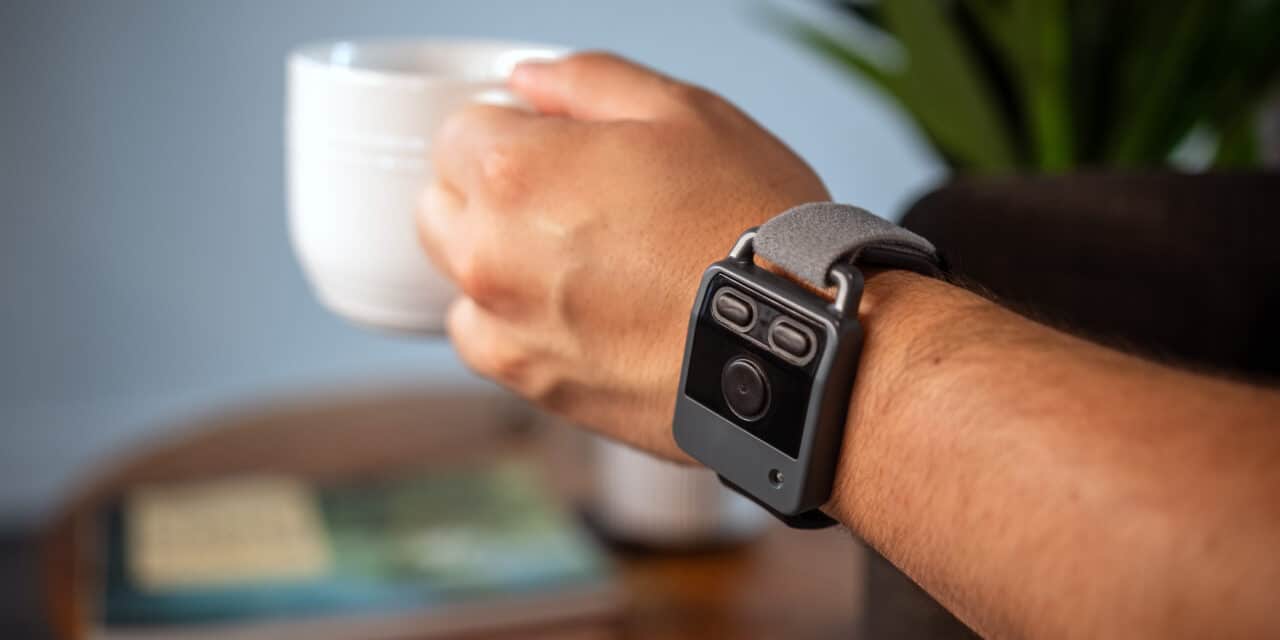
The Encora X1 is a noninvasive, wrist-worn neurostimulation device, roughly the size of a smart watch, designed to sense tremor rhythm and deliver a customized stimulation that disrupts the tremor signal, providing patients with stability and improved motor control during daily activities, such as drinking soup with a spoon, dialing a telephone, or plugging a cord into an electric outlet.
“We started Encora with a simple goal: to restore independence for movement disorder patients. Today, we are one step closer to making that vision a reality,” said Alli Davanzo, co-founder and vice president of business operations. “Encora X1 offers a non-surgical, drug-free alternative, allowing patients to manage their symptoms on their own terms.”
“This clearance represents the culmination of rigorous research and patient-centric design,” said Nadim Yared, chief executive officer of Encora Therapeutics. “We are eager to bring this novel solution to patients who have long waited for more options.”
Important Safety Information
The Encora X1 is available by prescription only. It is not a cure for essential tremor. In clinical trials, device-related adverse events were non-serious and self-resolving. Reported side effects include numbness, skin irritation (rash), muscle weakness, discomfort/pain, buzzing/tingling sensation, and possible temporary worsening of tremor. Caution: Federal law restricts this device to sale by or on the order of a physician.
Featured image: The Encora X1 wearable device has received 510(k) clearance from the U.S. Food and Drug Administration. It is available by prescription only for patients suffering from essential tremor (ET). Photo: Encora Therapeutics